

Stationary Bicycle Exercise
İnceleme ekleme Takip etGenel bakış
-
Kuruluş Tarihi 19-12-1905
-
Sektörler Nakliyat Sigortaları
-
Yayınlanan İlanlar 0
-
Görüntülendi 1
İşveren Hakkında
7 Little Changes That’ll Make The Biggest Difference In Your Exercise Cycles
The Ultimate Guide to Exercise Cycles: A Comprehensive Overview
Exercise cycles, commonly referred to as stationary bicycles, have become a staple in both home exercise bike and gym physical fitness regimens. With the rise of at-home workouts and the increasing value put on cardiovascular health, exercise cycles supply an excellent method to integrate effective cardio into one’s day-to-day regimen. This article delves deep into the types, advantages, functions, and factors to consider of exercise cycles, making it a vital read for anybody wanting to improve their physical fitness journey.
Tabulation
- Types of Exercise Cycles
- 1.1 Upright Bikes
- 1.2 Recumbent Bikes
- 1.3 Spin Bikes
- 1.4 Folding Bikes
- Benefits of Using Exercise Cycles
- Secret Features to Consider
- exercise home cycle Cycle Workouts
- Often Asked Questions (FAQs)
1. Kinds Of Exercise Cycles
1.1 Upright Bikes
Upright bikes resemble traditional bikes, providing an interesting method to exercise. The rider sits upright, which triggers the core and engages the leg muscles more intensely.
Pros
- Mimics the feel of outdoor cycling.
- Reliable for a range of fitness levels.
Cons
- Might be less comfy for long sessions without a padded seat.
1.2 Recumbent Bikes
Recumbent bikes have a larger seat and a reclined position, which places less stress on the back and joints.
Pros
- Comfy seating, lowering the risk of injury.
- Perfect for rehab or those with mobility issues.
Cons
- Less intense core exercise compared to upright bikes.
1.3 Spin Bikes
Designed for high-intensity workouts, spin bikes prevail in group physical fitness classes. They have a heavy flywheel that supplies a smooth riding experience.
Pros
- Suitable for high-intensity period training (HIIT).
- Adjustable resistance levels for diverse workouts.
Cons
- Can be daunting for beginners due to the intensity.
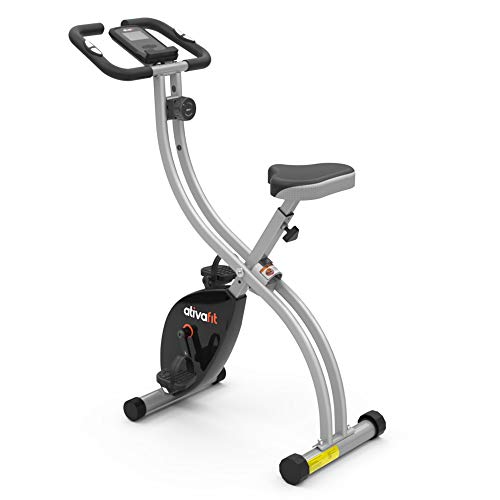
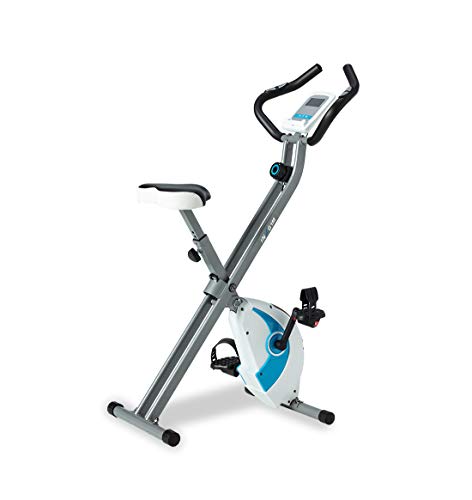
1.4 Folding Bikes
Folding bikes are compact and perfect for those with limited area. They can be easily saved away after use.
Pros
- Space-saving design.
- Typically light-weight and portable.
Cons
- May sacrifice durability compared to full-sized models.
| Type | Pros | Cons |
|---|---|---|
| Upright Bike | Simulates outdoor biking, efficient for all | May trigger discomfort for long trips |
| Recumbent Bike | Comfy, perfect for rehab | Less extreme core workout |
| Spin bike home exercise | Ideal for HIIT, adjustable resistance | Can be frightening for novices |
| Folding Bike | Space-saving, lightweight | May sacrifice durability |
2. Advantages of Using Exercise Cycles
Exercise cycles provide a variety of health benefits that deal with various physical fitness goals and lifestyles:
- Cardiovascular Health: Regular biking boosts heart health by enhancing flow and decreasing blood pressure.
- Weight reduction: Cycling help in burning calories, making it an effective type of exercise for weight management.
- Low Impact: Unlike running or high-impact aerobics, biking is gentler on the joints, making it appropriate for people of any ages.
- Muscle Strengthening: Cycling strengthens the lower body, concentrating on muscles in the legs, glutes, and core.
- Convenience: Exercise cycles are quickly accessible, allowing for exercises in your home despite weather condition or time restrictions.
- Mental Health: Regular exercise can enhance state of mind and lower symptoms of stress and anxiety and anxiety.
3. Key Features to Consider
When choosing an exercise cycle, it’s vital to think about numerous features that can improve the workout experience:
| Feature | Description |
|---|---|
| Resistance Levels | Adjustable resistance permits for diverse workouts. |
| Display Console | Tracks metrics like time, distance, speed, and calories burned. |
| Convenience | Padded seats and ergonomic designs increase convenience during workouts. |
| Adjustability | Height and seat modifications make sure a proper fit. |
| Mobility | Folding systems for simple storage are helpful for home use. |
| User Programs | Pre-programmed workouts can assist users attain their fitness objectives. |
4. Exercise Cycle Workouts
Incorporating different workouts can keep cycling sessions engaging and reliable. Here are a few popular workout types:
4.1 Steady-State Cycling
A moderate rate maintained for a prolonged period, ideal for endurance building.
4.2 Interval Training
Rotating in between high-intensity bursts and recovery durations increases cardiovascular physical fitness and burns more calories in less time.
4.3 Hill Climbing
Using resistance to mimic uphill biking enhances leg muscles and includes strength.
4.4 Recovery Rides
Low-intensity sessions allow muscles to recuperate while maintaining physical fitness levels.
4.5 Structured Programs
Many cycles come with built-in programs designed to target particular fitness goals, from weight reduction to endurance building.
5. Regularly Asked Questions (FAQs)
Q1: How frequently should I bike on an exercise cycle?
It is typically suggested to go for at least 150 minutes of moderate-intensity exercise per week, which can be achieved through cycling sessions of 30 minutes a day, five times a week.
Q2: Can exercise cycles aid with weight-loss?
Yes! Routine cycling combined with a well balanced diet plan can efficiently aid in weight loss by burning calories.
Q3: Are exercise cycles suitable for newbies?
Absolutely. Exercise cycles can be changed for different physical fitness levels, making them suitable for beginners to innovative users.
Q4: How do I preserve my exercise Cycle exercise home?
Regular maintenance involves keeping the bike tidy, looking for loose screws and parts, and keeping track of the resistance mechanism for smooth operation.
Q5: Can I view television while utilizing an exercise cycle?
Yes! Lots of people discover that enjoying TV or listening to music boosts their exercise experience. Just ensure that your setup enables security and comfort.
In conclusion, exercise cycles are a flexible and beneficial addition to any fitness regimen. Whether one picks an upright, recumbent, spin, or folding bike, the health benefits are manifold. By understanding the various types, benefits, and features of exercise cycles, individuals can make educated options that line up with their physical fitness goals. With the option to cycle from the convenience of bicycle home exercise, accomplishing physical fitness has never ever been more accessible.

